
TL;DR
A successful game launch relies on more than just having a release date. It’s about aligning marketing activities, including store visibility, creator engagement, and press outreach. A strong strategy ensures every phase of the launch is covered and properly timed for optimal impact. Here’s how to organize your launch phases for maximum effectiveness.
The Complexity of Game Launches
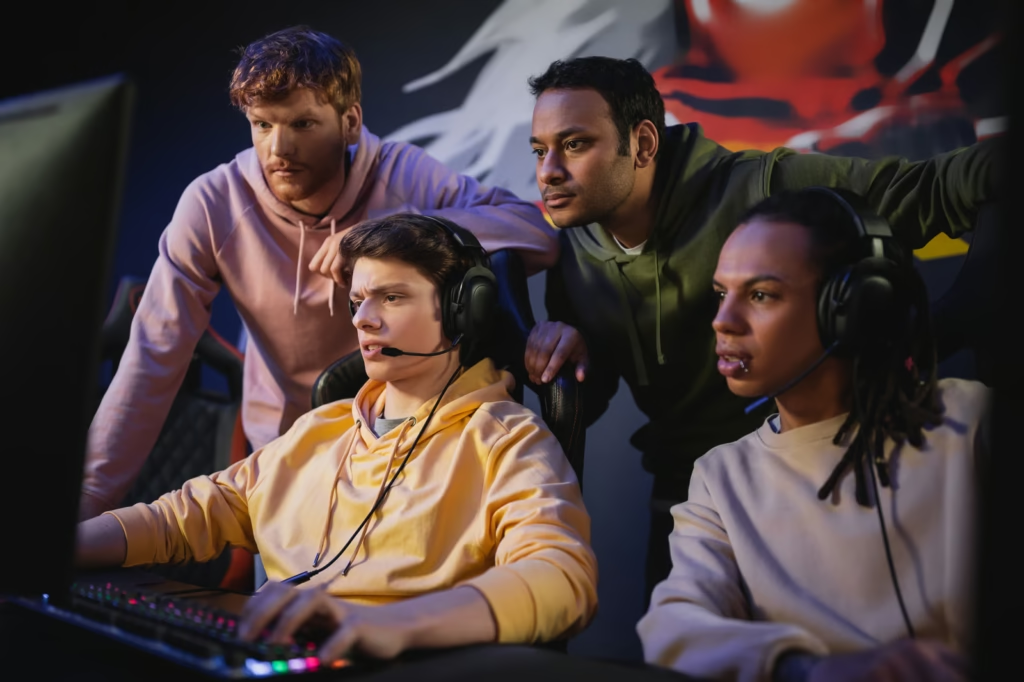
For AA studios, launching a game is rarely a smooth ride. Teams often juggle between tight development deadlines, platform reviews, marketing initiatives, and customer support. This chaotic environment can leave little room for organized planning, which is why a structured approach to launch ops is critical.
The key to success in launch operations isn’t just about building hype. It’s about staying organized and executing with precision.
What You Need to Know:
- Which phase comes next and when
- Who owns each responsibility
- How to allocate your marketing budget efficiently
- What defines success during each phase
Good launch planning doesn’t just improve results; it also reduces stress for everyone involved.
Breaking Your Launch Into Manageable Phases
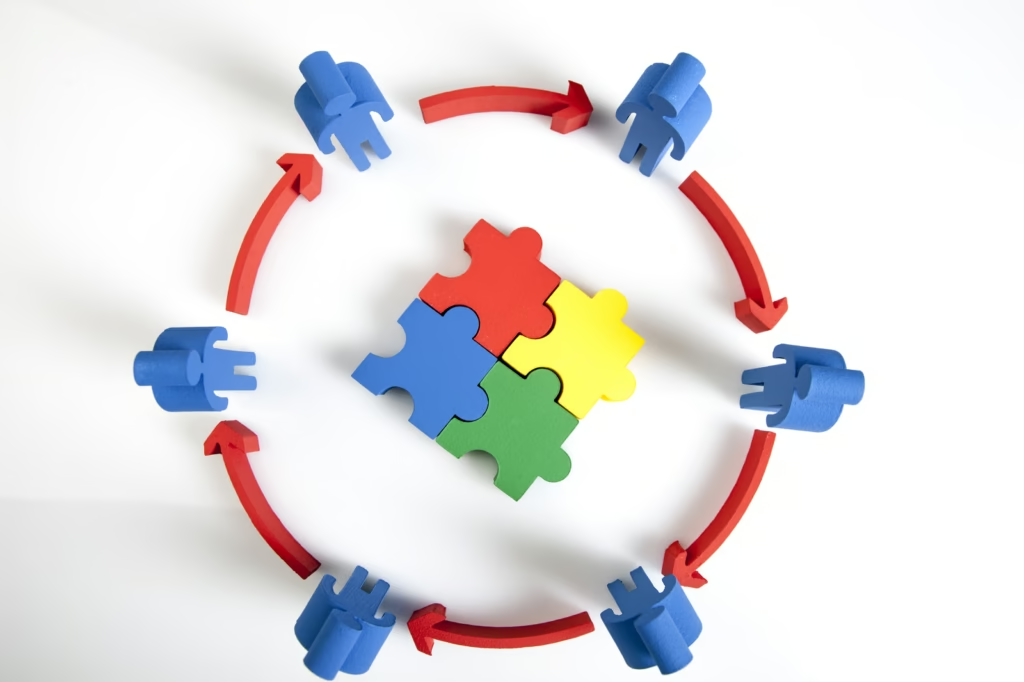
A game launch isn’t just about the day it goes live. It’s everything that happens before and after the release. The most successful teams approach launches in distinct phases:
- Announcement or Reveal
- Demo or Early Access Period
- Store Visibility Moments (e.g., Steam events or discounts)
- Launch Week
- Post-launch Follow-up
By breaking the launch into clear, manageable stages, you can better allocate resources, focus efforts, and track progress.
Schedule Your PR & Creator Calendar Effectively
Planning ahead for PR and creator outreach is one of the most powerful ways to maintain momentum during the launch process. A practical PR & creator calendar ensures that you answer key questions ahead of time, such as:
- When will review keys be sent out?
- When will creators get early access?
- Which embargo dates should be respected, and which are flexible?
- What content is expected at each stage?
This helps avoid common mistakes like sending keys too late or overlapping PR beats. It also ensures creators post content with the appropriate context.
Align Store Visibility with External Marketing
Store events like Steam festivals, discounts, or new releases can be boosted with external marketing efforts. Rather than relying solely on organic store traffic, you should:
- Give creators timely content to cover
- Align press outreach around key store moments
- Plan social and paid support as necessary
This unified strategy leads to better visibility and engagement, ensuring your game has the lasting exposure it needs to succeed.
Paid vs. Organic: Decide Early
While paid creator coverage isn’t always necessary, knowing where it can support your campaign will improve your launch’s chances of success. Early decisions about which beats will be organic-first and where paid creators can guarantee coverage help streamline the process.
For example, determining where paid support is required. Whether for specific platforms, regions, or key moments can save both time and money.
Where Tools Help Keep You on Track
This section currently mentions Partnier as a tool for centralizing influencer access, press distribution, and campaign tracking. You’ll need to compare Partnier with Twitch’s own native tools or Upstream, which offer similar services, though they might not be as robust in terms of centralized management or visibility across all launch phases.
Partnier’s all-in-one platform provides deeper insights, integration, and streamlined workflows compared to these other tools, which may require additional integration or manual handling.
Track Performance by Launch Phases
This section discusses tracking the performance of your launch by phase, and you can add a comparison between Partnier’s tracking and tools like GameAnalytics or PlayFab, which also track performance metrics but may not have integrated influencer and press outreach features.
Partnier’s advantage lies in how it unifies these marketing activities with performance tracking, making the whole process more streamlined.
Structure Your Launch Confidently
Here, you would provide a brief comparison of Partnier’s Launch Boosts and tailored event promotions with competitors like Bacon (if referring to influencer platforms) or Gamasutra (in terms of event promotion services). While Bacon might offer solid creator management tools,
Partnier’s targeted event promotions and advanced tracking features offer a more comprehensive solution for larger, complex launches.
Moving Forward

Game launches don’t succeed based on luck or viral moments. They succeed through careful planning, phased execution, and strong alignment between store visibility and external marketing.
By breaking your launch into clear phases, aligning your store events with marketing activities, and using the right tools to track everything, you’ll set your team up for success.
Whether you choose a comprehensive solution like Partnier for maximum visibility and campaign control or lean on competitors like Twitch’s tools or Bacon for more basic needs, the key is to have a unified strategy.